NOVA
“Success is no accident. It is hard work, perseverance, learning, studying, sacrifice, and most of all, love of what you are doing or learning to do.”
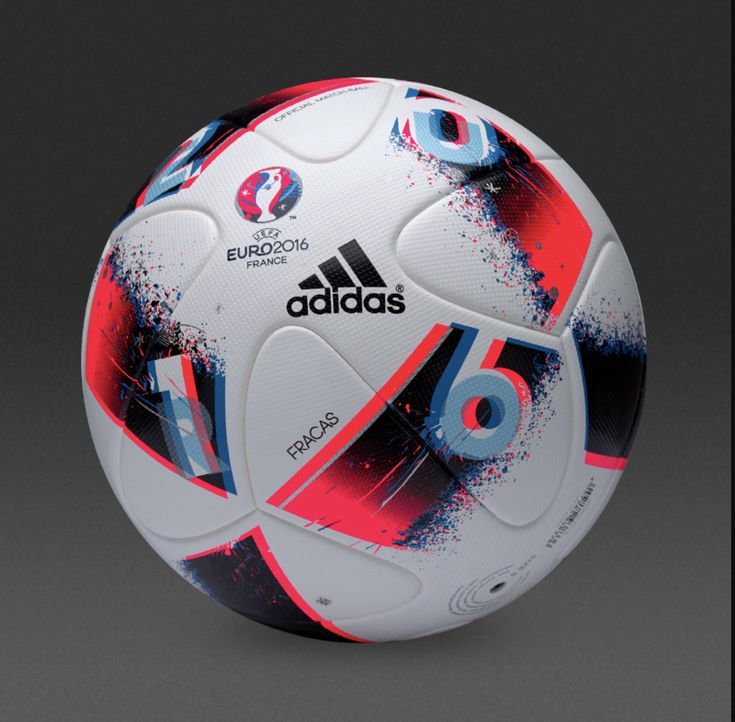
HERE IS OUR LATEST MODELS.
10 TIPS FOR THE BEST SOCAR BALL
1. Choose the Right Size for the Player
Football sizes are strictly categorized by age groups. Picking the wrong size can hurt skill development or cause injury:
Size 5: The standard size for official matches (Ages 12 to Adult).
Size 4: Designed for youth players (Ages 8 to 12).
Size 3: Lightweight and ideal for young children learning the basics (Ages 8 and under).
Size 1 & 2: “Mini” balls mainly used for skill practice, footwork drills, or souvenirs.
2. Match the Ball to the Playing Surface
Where you play dictates the type of ball you need. Using the wrong ball will destroy its longevity:
Match/Training Balls: Perfect for natural grass fields.
Astroturf/Artificial Grass (AG) Balls: Built with a reinforced, highly durable outer cover to resist the friction and abrasive heat of synthetic turf.
Futsal/Indoor Balls: Designed specifically for hard gym floors. They are slightly smaller (usually Size 4) and filled with low-bounce bladders to keep the ball on the ground.
3. Check the Construction: Stitched vs. Bonded
How the panels are put together defines the ball’s flight and lifespan:
Thermally Bonded: The highest quality. Panels are glued together using heat. This ensures zero water absorption, a perfectly aerodynamic flight, and incredible durability (used in professional leagues).
Hand-Stitched: Offers excellent durability and tight, deep seams, making it a great premium choice.
Machine-Stitched: Common in cheaper training or recreational balls. The seams are shallower, meaning they can wear out faster under heavy use.
4. Look at the Outer Shell Material (Casing)
The outer layer dictates the feel and response of the ball:
PU (Polyurethane): The gold standard for premium match balls. It provides excellent touch, responsiveness, scuff-resistance, and flexibility.
PVC (Polyvinyl Chloride): Used primarily in cheaper, entry-level training balls. It is highly durable and plastic-like, making it tougher but less responsive to the touch.
5. Understand the Bladder Material (Air Retention)
The bladder inside holds the air and gives the ball its bounce:
Butyl Bladders: Outstanding air retention. You won’t have to pump the ball up frequently, making them perfect for everyday training balls.
Latex Bladders: Used in high-end match balls. They offer the absolute best responsiveness, bounce, and soft touch, but they lose air quickly and usually need to be re-inflated before every game.
6. Look for Quality Certifications (FIFA Approved)
If you want the absolute best quality, check the ball for official stamps printed on the casing:
FIFA Quality Pro: Meets the highest rigorous testing standards for weight, water absorption, roundness, and bounce under professional match conditions.
FIFA Quality / IMS (International Match Standard): Offers great performance benchmarks suitable for high-level amateur and youth competitive play.
7. Pay Attention to Panel Count
The number of panels affects how the ball cuts through the air:
Traditional balls feature 32 panels (great stability and control).
Modern premium match balls often feature fewer panels (e.g., 6, 12, or 14 panels), creating a smoother surface area with fewer seams for a faster, cleaner strike.
8. Match Your Budget to Your Intended Use
Be realistic about how you will use the ball:
Premium Match Balls ($100+): Bought strictly for competitive matchdays. They offer elite performance but degrade quicker on harsh surfaces.
Training Balls ($30–$60): Built for high durability to endure hundreds of hours of repetitive drills and kicking.
Recreational Balls ($15–$25): Ideal for casual park games with friends or kicking around in the backyard.
9. Check the Water Absorption Rating
A cheap ball will act like a sponge on a rainy day, becoming incredibly heavy, waterlogged, and dangerous to head. Ensure the ball mentions water-resistant materials or thermal bonding if you live in a climate with regular rainfall.
10. Perform a Quick Quality Test
If you are buying a ball in a physical store, perform three simple tests before purchasing:
The Bounce Test: Drop the ball from eye level; it should bounce back up to roughly your chest/waist level.
The Seam Check: Squeeze the ball along the seams to ensure there are no uneven gaps or loose threads.
The Weight Test: Hold it in your hands—it should feel balanced, not overly heavy like a rock or light like a beach ball.

BRAND PARTNERS